Mosquitoes
categories: Fact Sheet Stinging and Biting Pests
revision date: 2025-12-31 01:11
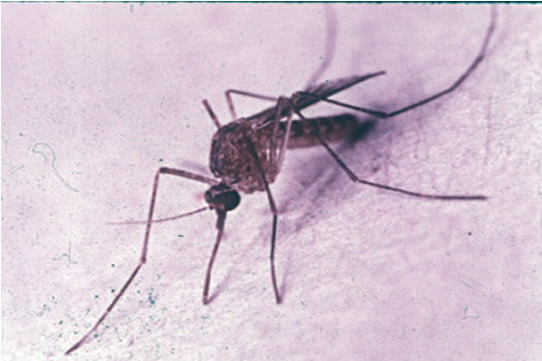
Photo by: unknown
Biology
Mosquitoes are pests because they annoy and bite humans and animals. Also, they may transmit or vector organisms that cause diseases such as malaria and encephalitis.
Mosquitoes go through four developmental lifestages – egg, larva, pupa and adult.
The adult female mosquito lays eggs in aquatic or very damp environments typically in the spring or summer. The eggs hatch and the larvae, also called wigglers, develop in the water and are filter feeders. The pupal lifestage of the mosquito is also aquatic. Mosquitoes can develop from egg to adult in as little as seven days depending on the species and temperature.
Human malaria does not naturally occur in Washington. However, outbreaks of mosquito-transmitted encephalitis do occur from time to time. In 2002, West Nile Virus (a type of mosquito-transmitted encephalitis) was found in Washington. West Nile Virus can impact the health of humans, many bird species, horses, and a variety of other animals.
West Nile Virus is primarily a virus of birds and is transmitted from infected birds by mosquitoes. Sometimes other animals and people are incidental hosts and obtain the virus from infected mosquitoes.
Mosquitoes need water to develop and are therefore always located near water. Focusing on the presence of water and water management is crucial in mosquito control programs.
- For a more detailed discussion on mosquito control, see WSU PLS 121, Pest Management for Prevention and Control of Mosquitoes with Special Attention to West Nile Virus.
Management Options
Use Integrated Pest Management (IPM) for successful pest management.
Non-chemical Management
Select non-chemical management options as your first choice!
- Remove standing water caused by construction puddles, landscaping depressions, etc. by draining them or filling with earth.
- Promote drainage of old tires by drilling holes in them.
- Recycle, destroy, flatten or dispose of tin cans or any other artificial water containers.
- Change water in birdbaths, pet water dishes and livestock watering troughs once or twice a week. Stock ornamental pools with predaceous fish.
- Maintain effective, tightly-fitting window and door screens. Use screen with a mesh size of 16 to 18 or smaller.
- Avoid the outdoors during dawn and dusk during peak mosquito months (July through September).
- When outside wear long-sleeved shirts and long pants.
Chemical Management
IMPORTANT: Visit Home and Garden Fact Sheets for more information on using pesticides.
- Pesticides for mosquito control are either adulticides (for adult flying mosquitoes) or larvicides (for larvae or wigglers).
- Mosquito control is most effective when done over a large area and may require an organized mosquito control district.
Approved Pesticides
If you choose to use a pesticide, some examples of products that are legal in Washington are listed below. Some products are labeled for just INDOOR or just OUTDOOR use, or may allow both uses. Be sure to choose a product appropriate for your situation. Always read and follow all label directions.
Additional Images
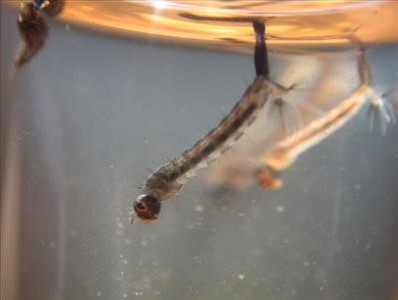
Photo by: T. Murray
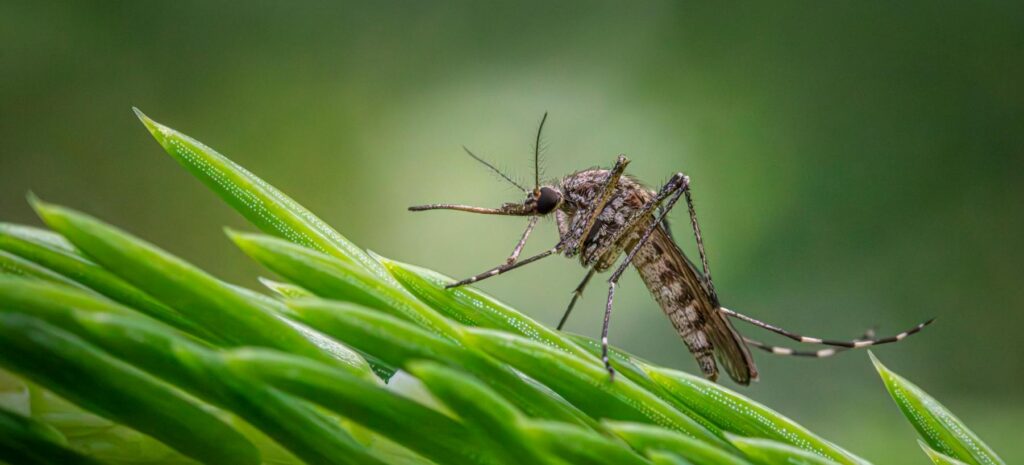
Photo by: unknown
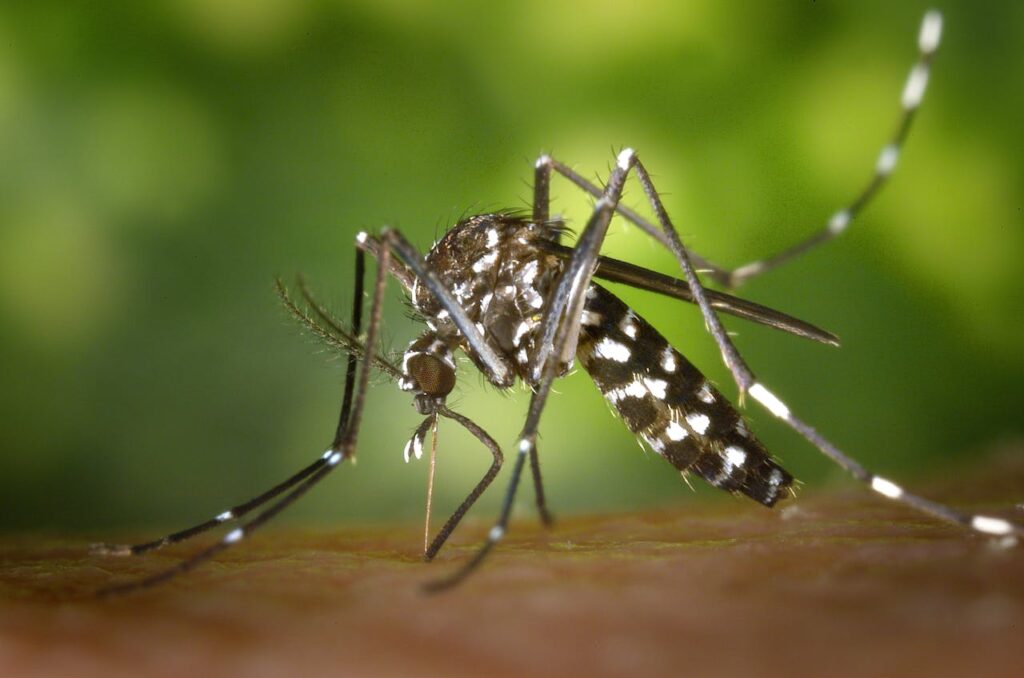
Photo by: Unknown

WSU Extension programs and employment are available to all without discrimination.
Evidence of noncompliance may be reported through your local Extension office.
Right click here and select Copy Link to copy fact sheet URL