Mice and rats
categories: Fact Sheet Nuisance Pests
revision date: 2025-08-27 05:35
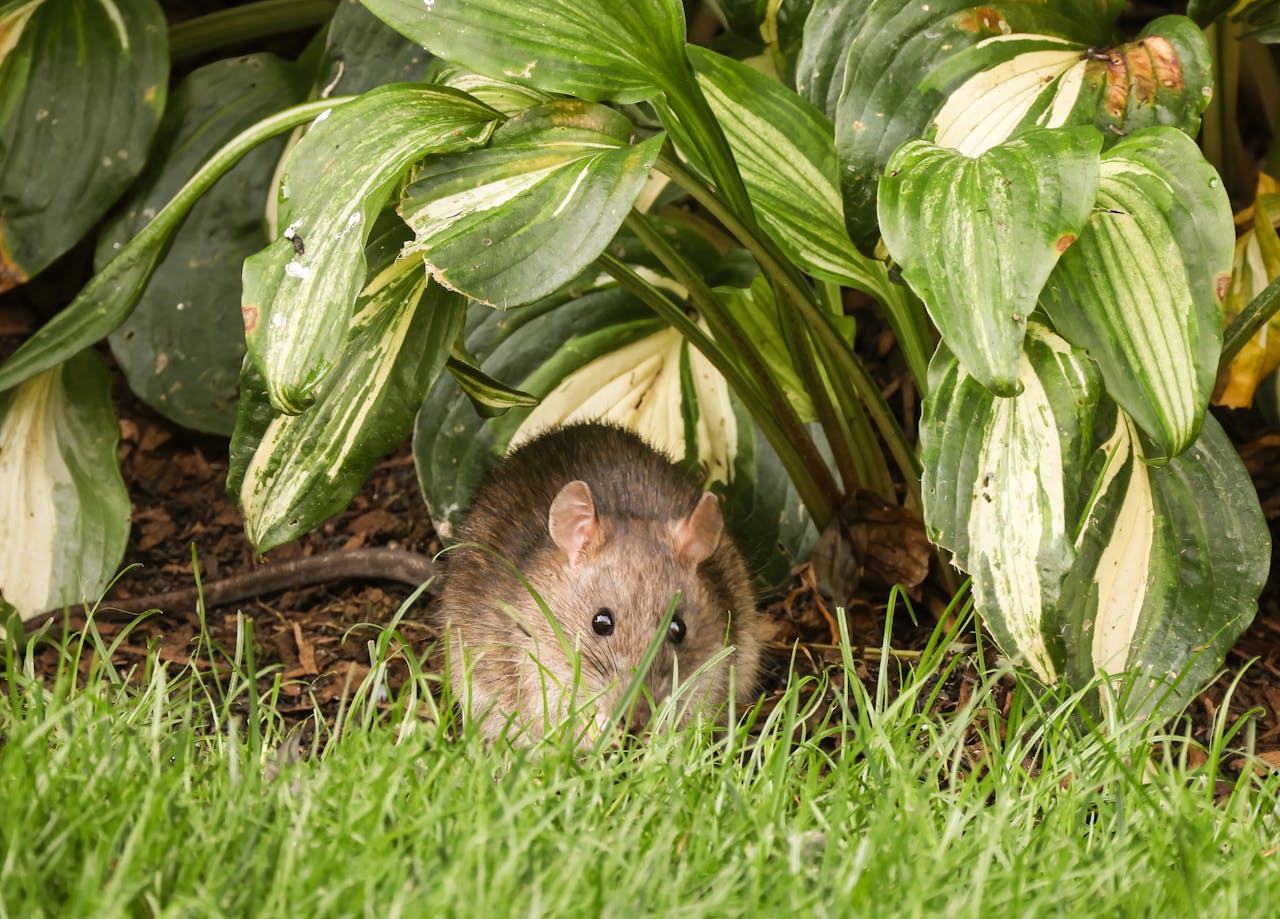
Photo by: David Kanigan (Pexels)
Biology
These rodents are commonly problems wherever humans exist. Rodents will feed on just about anything including garbage, pet food, bird seed, meats, and nuts.
Structural damage can occur from the rodents nesting and gnawing in and on the structure. Both mice and rats are generally nocturnal (more active at night) and if they are seen during the day it might indicate a heavy infestation.
In Washington there are primarily two species of rats: The Norway rat and the roof rat. Norway rats have a tail that is shorter than their head and body combined. They build nests under buildings, low shrubs, wood piles, garbage dumps, and accumulations of junk. Roof rats, on the other hand, have a tail that is longer than their head and body combined. They are somewhat smaller than the Norway rat. They are also better climbers, building their nests in trees, attics, walls, or vine-covered fences.
There are also two main species of problematic mice in Washington: The house mouse and the deer mouse. The house mouse consumes and contaminates many food stuffs because they tend to nibble on food and then discard it. Mice can also damage stored items or cause expensive appliances to malfunction because of their gnawing or nest building. The deer mouse is one of the most common mice found in agricultural and forest areas. This mouse prefers to eat seeds but will also consume fruits, insects, and fungi. Deer mice generally nest underground but will nest in hollow logs, or unoccupied buildings. Deer mice are also a primary carrier of Hantavirus, a dangerous, often fatal pulmonary disease.
Management Options
Use Integrated Pest Management (IPM) for successful pest management.
Non-chemical Management
Select non-chemical management options as your first choice!
- Keep food sources such as garbage, pet food, and bird seed in tightly-sealed, rodent-proof containers.
- Repair cracks, small holes, broken windows and doors, and install door sweeps to keep rodents out of the structure.
- Remove shrubs and brush near buildings that could provide shelter for the rodents. Manage compost piles.
- Trap rodents by placing traps in areas they frequent. Look for gnaw marks, droppings, urine stains, and grease smudges on walls to know where to find the rodents.
Chemical Management
IMPORTANT: Visit Home and Garden Fact Sheets for more information on using pesticides.
- Non-chemical strategies are effective for managing rodents if used consistently.
- The bait products listed here should be used ONLY in conjunction with non-chemical strategies.
- Tomcat Rat Killer is labeled for use against both rats and mice; other products listed below are for MICE ONLY.
- Consult a pest management professional if you need additional assistance with rodent management.
Approved Pesticides
If you choose to use a pesticide, some examples of products that are legal in Washington are listed below. Some products are labeled for just INDOOR or just OUTDOOR use, or may allow both uses. Be sure to choose a product appropriate for your situation. Always read and follow all label directions.
Additional Images

Photo by: Monique Laats (Pexels)
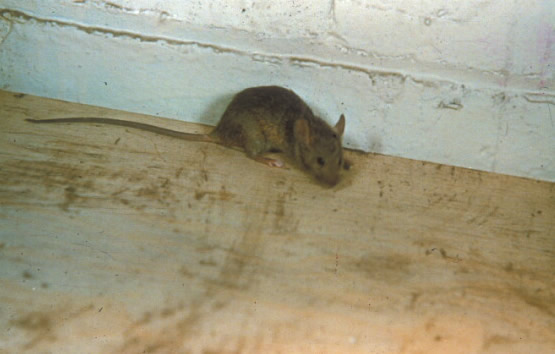
Photo by: Unknown

Photo by: Unknown

WSU Extension programs and employment are available to all without discrimination.
Evidence of noncompliance may be reported through your local Extension office.
Right click here and select Copy Link to copy fact sheet URL